Thank you for writing to us. One of our executive will reach back to you through your submitted medium. In case there’s an urgency, feel free to connect over WhatsApp for faster response.
Prefer calling? Dial +9108042754179 (International callers) or 08042754179 (Indian callers).
Hydrogen Water Benefits for Heart Attack Preventio...
Hydrogen Water Benefits for Heart Attack Prevention: Lowering LDL Cholesterol & Boosting HDL
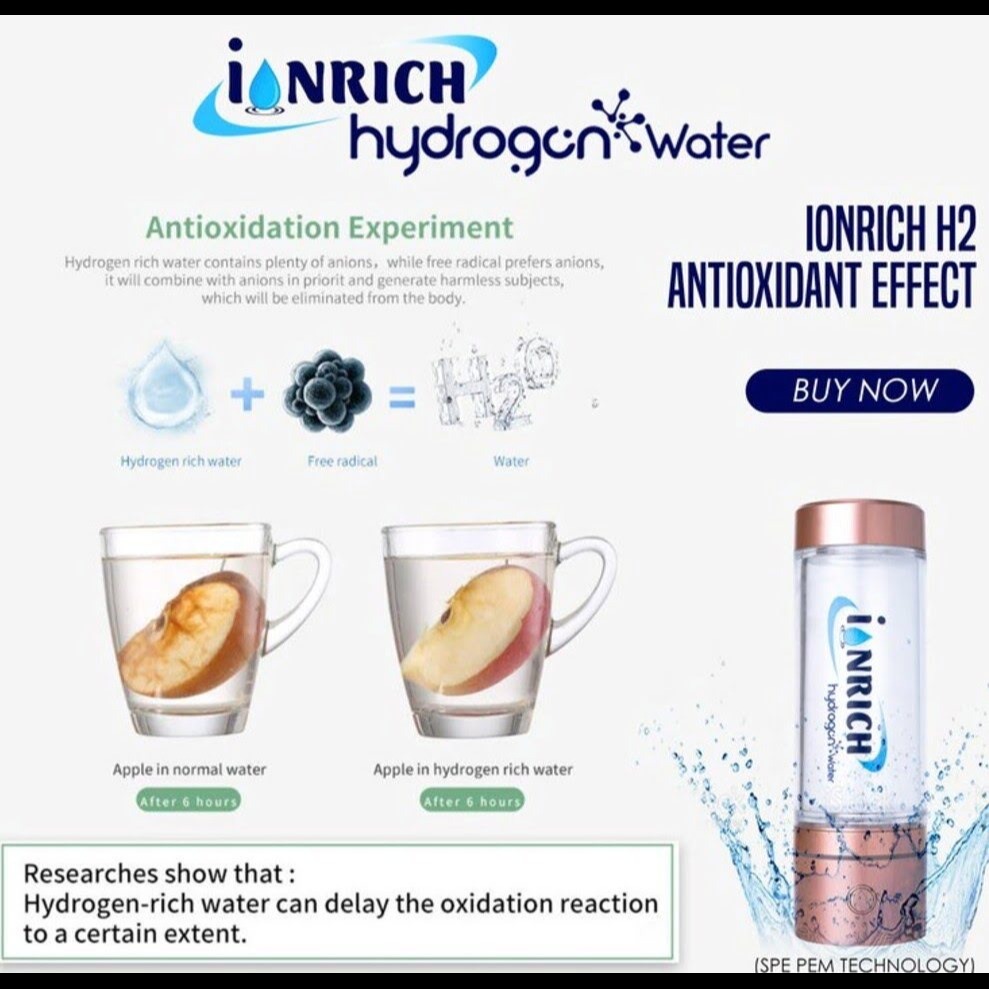
Hydrogen water, enriched with molecular hydrogen (H₂), is gaining attention as a powerful tool in reducing heart attack risk by enhancing lipid profiles. Its antioxidant properties are particularly effective in combating oxidative stress, a major factor in atherosclerosis and cardiovascular disease. By neutralizing harmful free radicals, hydrogen water helps prevent the oxidation of LDL cholesterol—a crucial step in arterial plaque formation.
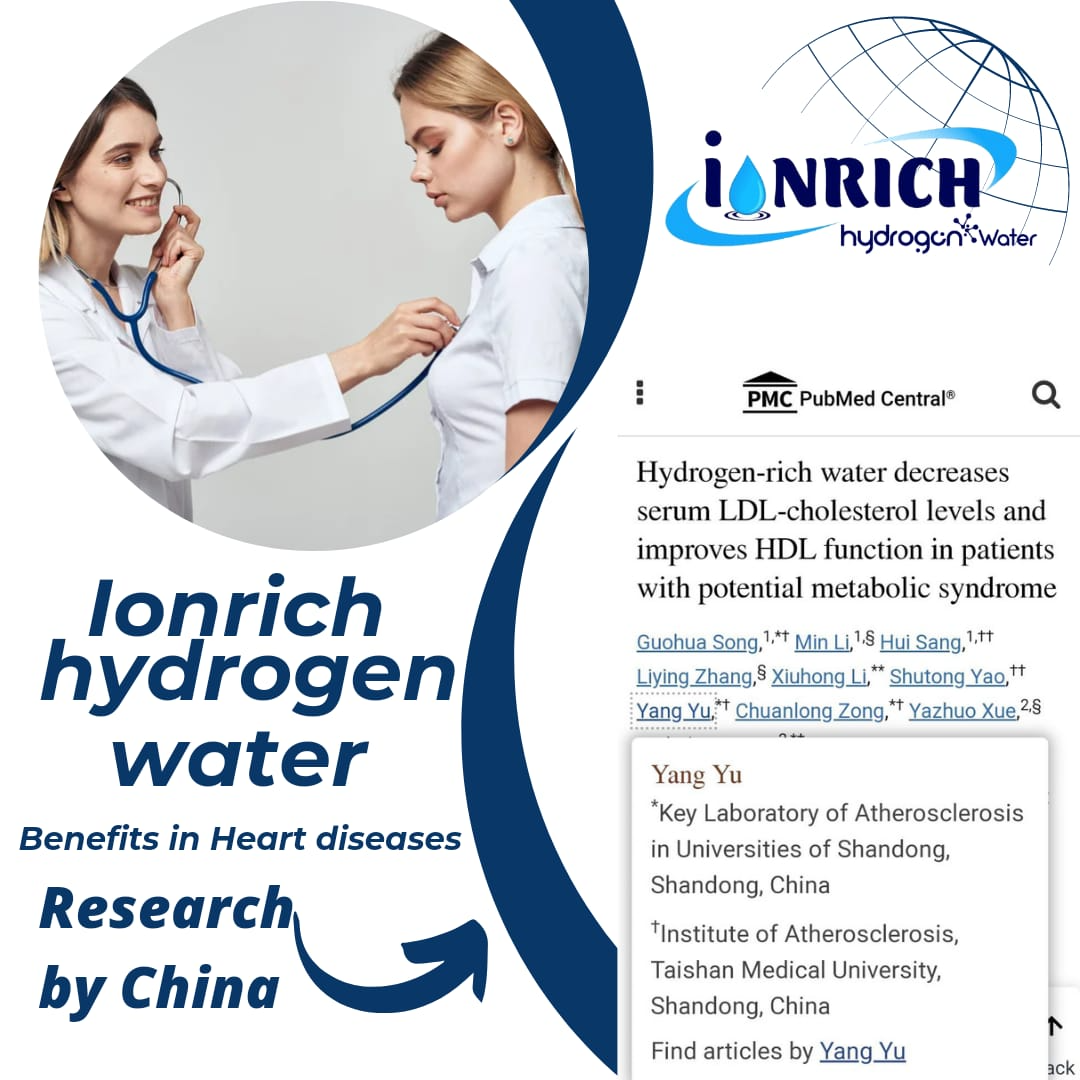
Research underscores hydrogen water’s capacity to lower LDL serum and cholesterol levels while boosting HDL (good cholesterol). Higher HDL levels facilitate the removal of excess LDL from the bloodstream, thereby minimizing arterial plaque buildup. A 2020 study published in Scientific Reports demonstrated that participants who consumed hydrogen water daily experienced significant improvements in lipid metabolism, including reduced LDL and triglyceride levels along with increased HDL.
Moreover, hydrogen water enhances endothelial function—the inner lining of blood vessels—by reducing inflammation and improving nitric oxide production. This leads to better blood flow and lowers hypertension risk, which is a major trigger for heart attacks. Its anti-inflammatory effects also help mitigate chronic inflammation associated with cardiovascular damage. For optimal prevention against heart attacks, experts advocate for daily consumption of 1–3 liters of high-quality hydrogen water from reputable brands using advanced electrolysis to ensure high H₂ concentration. Combining it with a heart-healthy diet can further amplify its benefits.
In conclusion, hydrogen water significantly supports heart health by lowering LDL cholesterol levels, increasing HDL levels, and fighting oxidative stress—key factors in reducing cardiovascular risk. Ongoing research continues to affirm its potential as an effective non-invasive therapy for managing heart disease.